


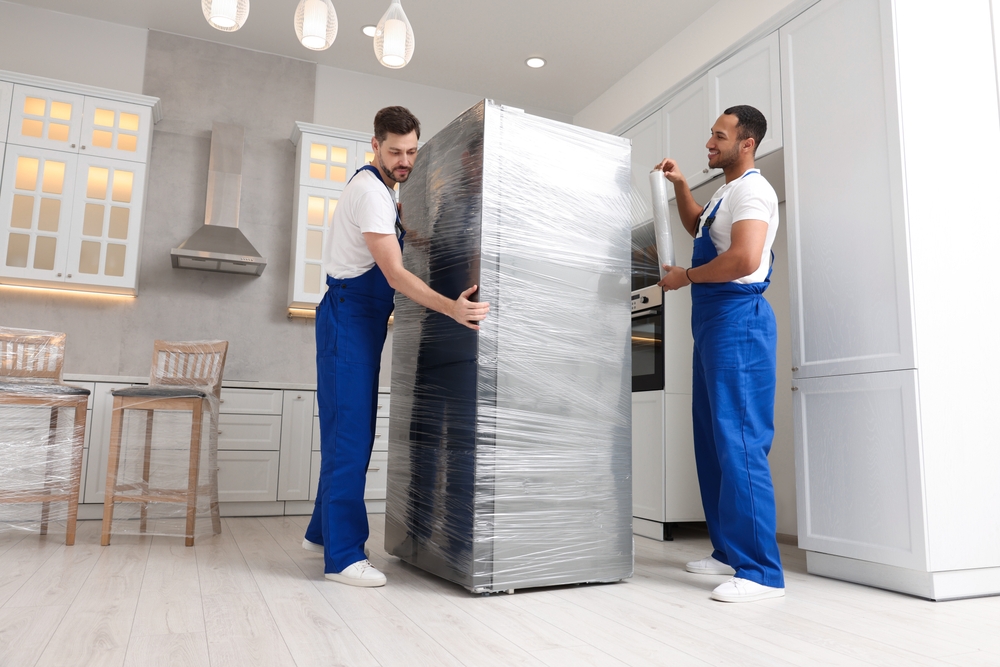
Moving a large kitchen unit feels like handling heavy equipment that reacts to every tilt, push, and pause. One small mistake can lead to floor scratches, wall dents, or internal cooling issues that show up later. Understanding how to move a refrigerator brings structure to a task that often gets rushed.
Here’s a practical breakdown that helps control movement, reduce strain, and protect home surfaces during relocation.
1. Planning Movement Path Before Lifting
Movement begins long before lifting starts. Clear planning reduces stress at every step. Measure door width, hallway turns, and exit route carefully. Even small misjudgments can block movement mid-way.
Remove furniture, mats, or loose items along the path. This creates an open walking space and reduces the chances of sudden stops. Focus stays on moving heavy appliances safely by building a clean route that allows smooth forward motion.
Marking corners with light tape helps guide direction changes. This is important in tight hallways where turning space is limited. Straight movement lines reduce strain on arms and lower the chances of hitting walls or door frames. Proper planning often decides how controlled the full movement will feel.
2. Preparing Cooling Unit for Safe Handling
Cooling unit preparation plays a major role before any physical movement begins. Power supply should remain off for several hours before the shift. This helps internal components settle. Remove all stored food items to avoid spills or shifting weight inside.
Shelves inside should be secured or removed. Loose parts inside can move during tilt and cause internal damage. This step is often ignored but plays a key role in safe handling.
Using appliance moving straps improves grip and balance during lifting. These straps spread weight across the shoulders and reduce pressure on hands and wrists. This makes turning, lifting, and stair movement more controlled. Door wrapping with soft material prevents a sudden swing that can hit nearby surfaces. Good preparation reduces unexpected movement inside the unit during transport and keeps external handling more stable.
3. Protecting Floor Surface During Movement
Floor damage usually happens during sliding or pivot motion rather than lifting itself. Hard surfaces like wood, tile, or laminate react quickly to friction or pressure marks.
Place thick cloth sheets, blankets, or sliding pads under base corners before movement begins. This supports protecting floors during a move while shifting heavy appliances across rooms.
Avoid dragging the unit directly, even for a short distance. Metal edges or hard base corners can leave permanent marks within seconds. Controlled glide movement reduces friction and helps maintain surface condition. Even small transitions, like moving from the kitchen to the hallway, should follow the same protection steps. Turning points carry a higher risk because weight shifts unevenly during a direction change. Floor protection reduces long-term repair needs and keeps space intact.
4. Controlled Lifting and Transport Handling
Exit stage introduces a major weight transition from flat surface to the lifting position. Balance changes quickly during this shift, so posture control becomes important. Lift should be slow and coordinated. Sudden movement increases the risk of imbalance or strain. This stage often benefits from professional appliance movers who understand weight distribution, lifting angles, and controlled loading methods.
Their experience helps reduce risk during stair movement, tight turns, and truck loading. They also know how to adjust grip positions depending on appliance size and surface type.
Inside the transport vehicle, the unit should remain upright at all times. Strong tie-down points help reduce movement during travel. Padding on the sides absorbs vibration from road conditions and protects internal compressor parts from shifting or impact stress. Proper securing during transport prevents hidden internal damage that may appear later after installation.
5. Final Placement and Restart Process
After arrival, the placement step should remain slow and controlled. Do not rush final positioning. Allow the unit to rest for a short time before turning it on. This helps internal fluids settle after movement.
Position the appliance with a small gap from the wall for airflow. Tight placement restricts ventilation and may affect cooling efficiency over time. Alignment should be checked carefully before the power connection.
Once plugged in, wait for the normal startup sound before placing items inside. This confirms stable internal function after transport stress. Rushing this step may affect cooling performance or create uneven temperatures inside the chamber. Final placement is not just positioning; it completes the entire movement cycle safely.
Refrigerator movement is not only physical lifting. It is a structured process that depends on planning, balance, and controlled handling at every stage. From clearing paths to protecting floors and managing weight during lift, each step reduces the risk of damage or strain. Small actions like strap usage, slow turns, and surface protection create a major difference in outcome. Careful handling also protects internal cooling systems from hidden impact stress. A steady approach keeps both appliance and home space in stable condition, even during challenging movement situations that require precision and timing.
“Heavy appliances need careful handling, not rushed effort or guesswork. Contact us at Charitable Movers & Packers at 214-699-5493 for steady, controlled appliance movement that protects your home space and equipment with careful, balanced handling.”
FAQs
1: How can refrigerator movement be managed in Dallas, TX, apartments with narrow entry spaces?
In Dallas, TX, apartments, removing nearby furniture and creating a straight entry line helps during movement through tight doorways and corner turns, reducing strain during shifts.
2: What helps during appliance shifting inside Cedar Hill, TX, homes with wooden flooring?
Inside Cedar Hill, TX, homes, placing protective padding under movement points helps reduce floor pressure marks while shifting heavy cooling units across wooden surfaces.
3: How should stair movement be handled in Dallas, TX, houses during appliance relocation?
Inside Dallas, TX, houses with stairs, slow step-by-step lifting with balanced grip support helps maintain control while moving large appliances between levels.